Blocked and overflowing drains can be a headache for property owners, especially if it’s affecting the day-to-day running of your home or business operations. However, if you catch the issue early and get help from a drain professional, you can avoid serious damage while identifying the cause using specialist CCTV equipment.
The cause of a blockage often depends on where it occurs. Kitchen, bathroom and outdoor drains can all become blocked for different reasons, from food waste and grease to leaves, debris and tree roots.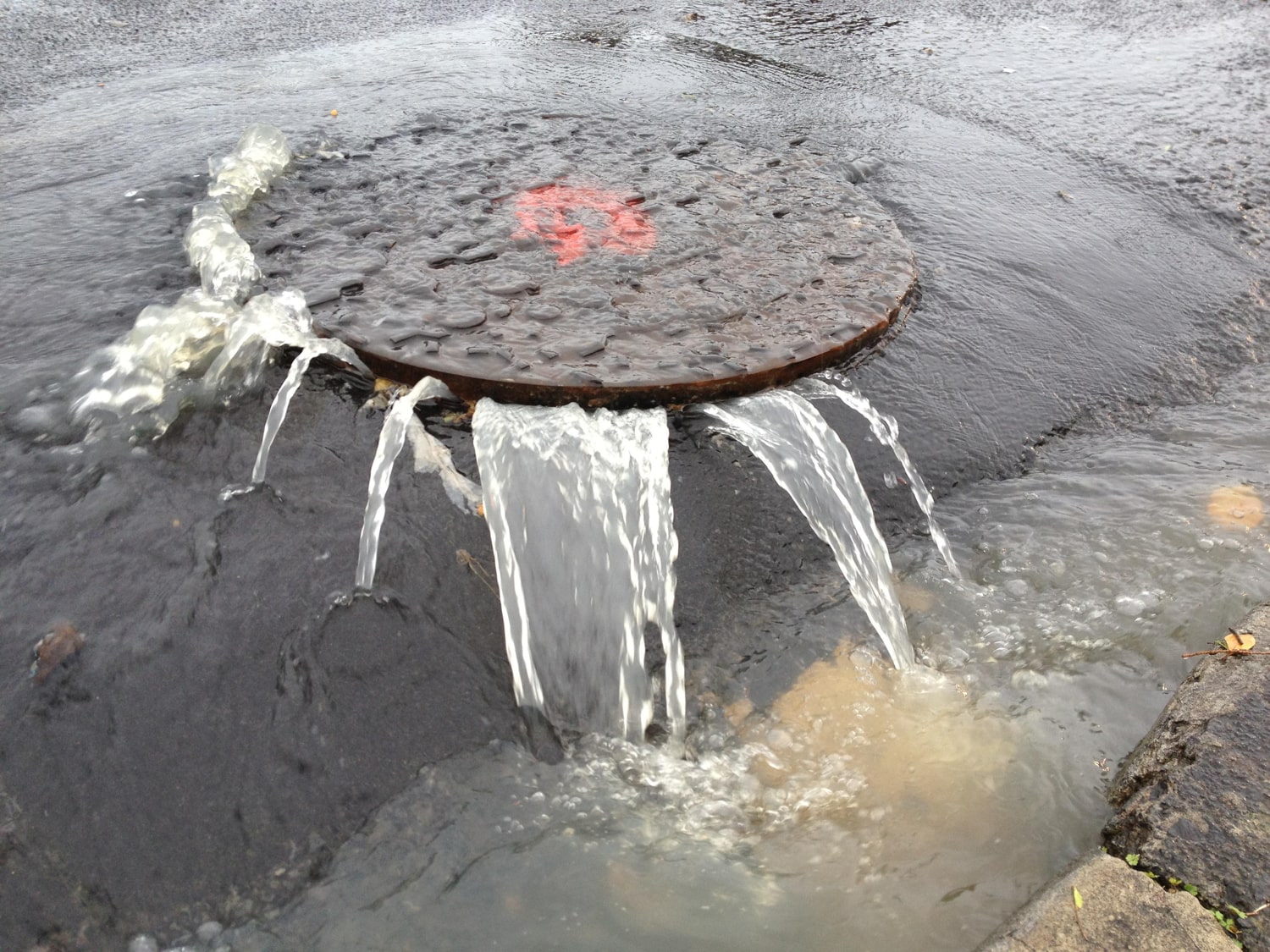
What are the signs of a blocked drain?
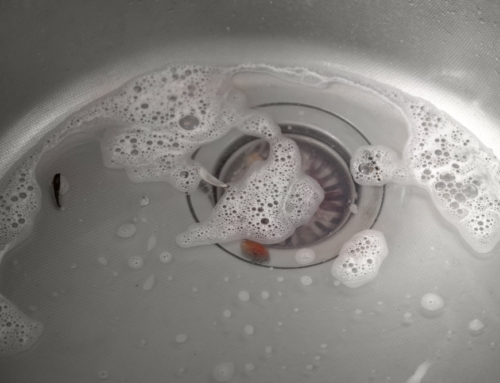
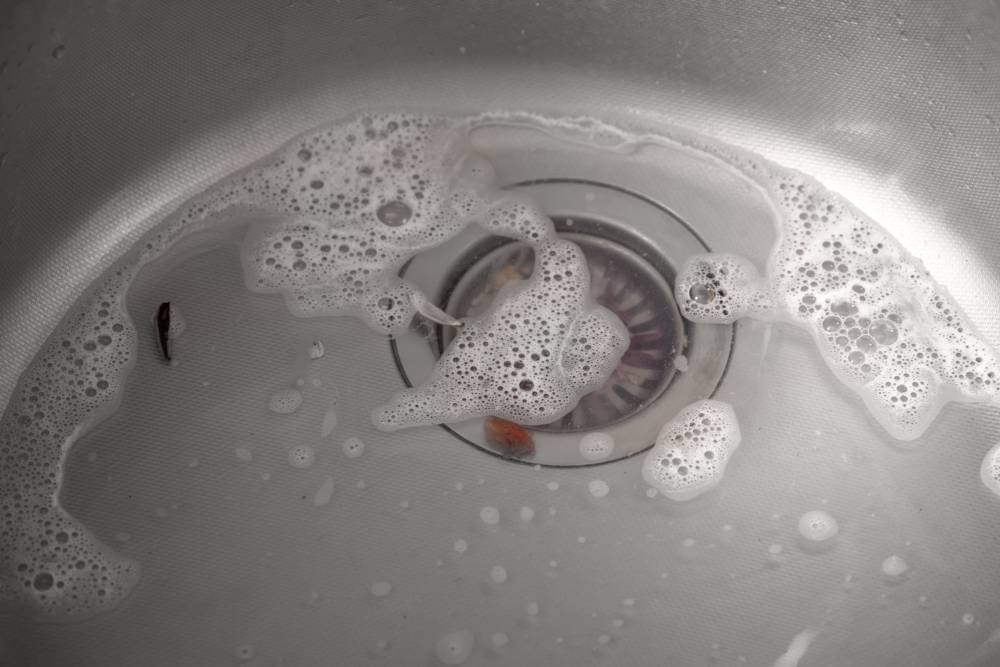
An overflowing drain is an obvious sign that something is wrong, but there are often warning signs before it gets to that point. Sinks, baths and showers may start draining more slowly than usual, while gurgling sounds from your pipes can indicate that water isn’t flowing as it should. You may also notice unpleasant smells coming from plugholes as waste starts to build up. Persistent or unpleasant drain smells can have a number of causes. Find out more in our guide to why your drains smell.
Outside, look out for water pooling around drains or manholes, particularly after using water inside the property. You might also notice that an outside drain is slow to clear or starts to overflow after heavy rain.
If the same drain keeps becoming blocked, or you’ve noticed several of these signs at once, there could be a more serious problem further along the drainage system. Spotting the warning signs early could help you deal with a blockage before it becomes an overflowing drain.
What should you do if your drain is overflowing?
If you have an overflowing drain, try to limit the amount of water entering the drainage system until the cause has been identified. Avoid using sinks, baths, showers and toilets connected to the affected drain where possible.
If wastewater is backing up or standing around an external drain, keep children and pets away from the area and avoid coming into contact with the water. It is also best to avoid repeatedly using chemical drain cleaners, particularly if the blockage is severe or you don’t know what is causing it.
A straightforward blockage can often be cleared by a drainage professional using rods or water jetting, depending on the cause. If the problem keeps coming back, however, it’s worth finding out what’s causing it. Tree roots, damaged pipework or a blockage further along the system could all be responsible. A CCTV drain survey can help pinpoint the cause and check for any damage to the pipework.
Five common causes of overflowing and blocked drains
1. Leaves and other debris
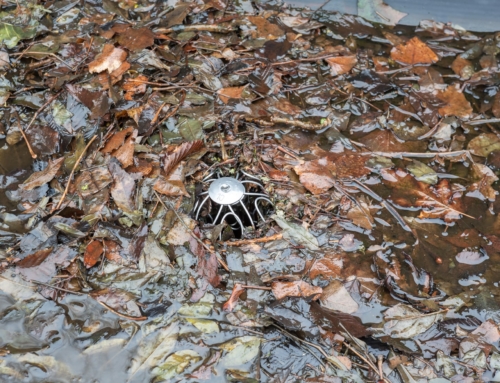
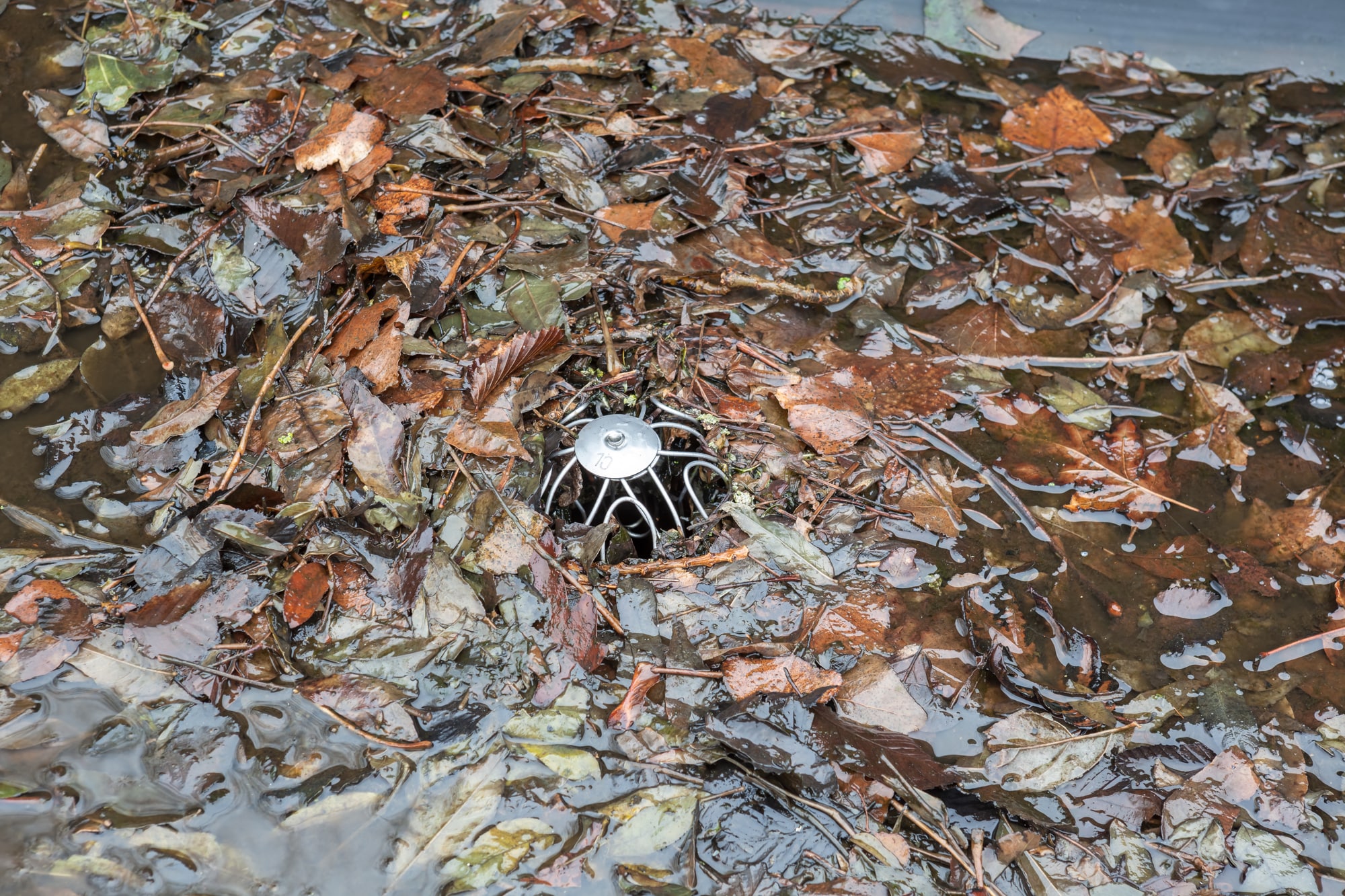
Outdoor drains can collect all kinds of debris, particularly during autumn and winter. Leaves, twigs, mud and other garden debris can find their way into gullies and drains, gradually restricting the flow of water.
This can be particularly noticeable after heavy rain. If water cannot drain away quickly enough, it may start to pool around the drain or even overflow. Regularly clearing leaves and other debris from the area around outdoor drains can help reduce the risk of blockages.
However, if an outside drain is repeatedly becoming blocked despite being kept clear, there could be another problem within the drainage system.
2. Grease build-ups
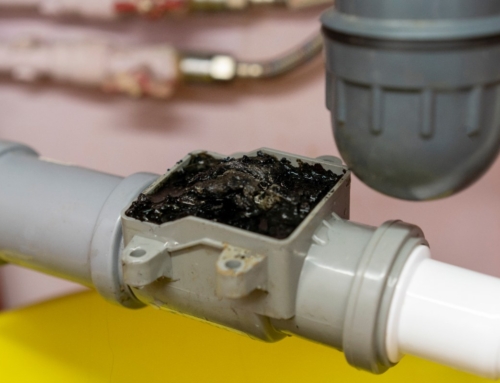
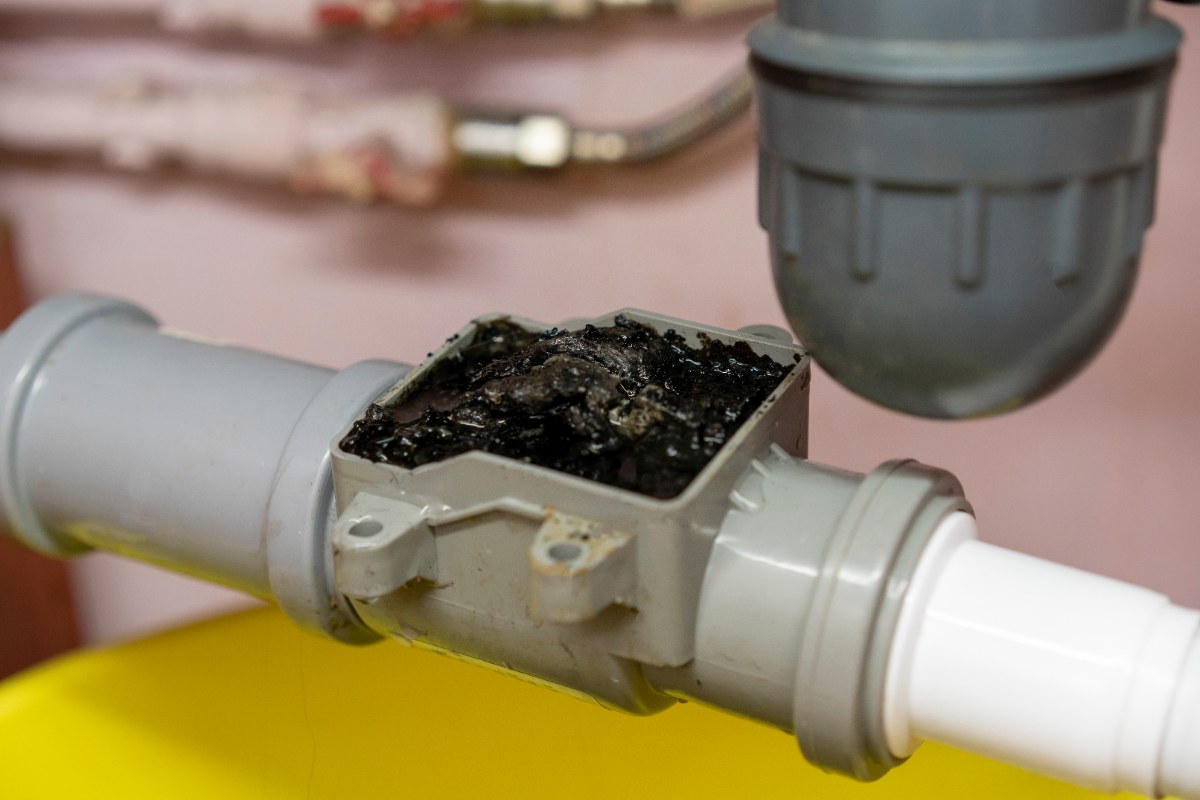
Grease and fat are common causes of blockages in kitchen drains. When hot fats, oils and grease are poured down the sink, they may initially flow through the pipe. As they cool, however, they can stick to the inside of the pipe and gradually build up.
Over time, this reduces the space available for wastewater to flow through. Food particles and other debris can then become trapped in the build-up, making the blockage worse.
This is one reason why a kitchen sink that was draining normally can gradually become slower. If the build-up becomes severe enough, water may eventually stop draining altogether.
Avoid pouring cooking oil, fat and grease down the sink. Allow it to cool and dispose of it appropriately instead.
3. Food waste
Food waste can also cause problems in kitchen drains, particularly if scraps are regularly washed down the sink. Even small pieces can collect inside pipework, especially where there is already a build-up of grease.
Coffee grounds are another common culprit. They don’t dissolve in water and can collect with other waste inside the pipe, contributing to a blockage.
Starchy foods such as rice, pasta and potato can also cause problems. These foods absorb water and can swell, potentially making an existing blockage worse.
Using a sink strainer can help catch food scraps before they enter the drainage system. It is also worth scraping plates into the bin before washing them.
If your kitchen sink is already draining slowly or smells unpleasant, there may be a build-up further along the pipe that needs professional attention.
4. Bathroom waste
Bathroom drains can become blocked by a combination of hair, soap residue and other waste. Hair is particularly troublesome because it can become caught inside pipework and combine with soap and other debris.
In toilets, flushing inappropriate items can lead to blockages. Toilet paper is designed to break down in water, but items such as wipes, sanitary products and cotton buds should not be flushed.
A blockage in a bathroom drain may initially cause water to drain more slowly. If the problem is allowed to develop, the drain may eventually become completely blocked and water could back up.
Keeping hair and other debris out of sinks, baths and showers can help prevent blockages from developing. If several bathroom fixtures are affected at the same time, however, the problem may be further along the drainage system rather than in an individual plughole.
5. Tree roots
Tree roots can cause more serious drainage problems because they can enter through cracks, joints or other weaknesses in underground pipework.
Once inside, roots can continue to grow and restrict the flow of wastewater. They can also trap other debris, making the blockage progressively worse.
A tree root blockage may cause recurring problems rather than a one-off blockage. You might find that an outside drain keeps becoming blocked even after it has been cleared.
If you suspect tree roots are affecting your drains, a CCTV drain survey can help identify where they have entered the pipework and whether the drain has suffered any other damage.
Who is responsible for a blocked drain?
If a drain becomes blocked outside your property, it isn’t always immediately obvious who is responsible for clearing it. Responsibility can depend on where the blockage is located and whether the drain or sewer serves your property alone or is shared with your neighbours.
In some cases, the homeowner is responsible for the drainage within their property or certain parts of the private drainage system, while your local water company may be responsible for shared drains or public sewers.
Can you unblock a drain yourself?
For a minor blockage, there are a few things you can try yourself before calling a drainage professional.
Hot water: If grease is suspected to be causing a minor kitchen blockage, carefully pouring hot water down the sink may help loosen some of the build-up. Take care when handling hot water and avoid this method if it could damage your sink, pipework or fittings.
Plunger: A plunger can sometimes clear a straightforward blockage by creating pressure within the pipe. Make sure you have a good seal around the plughole before using it.
Drain rods: Drain rods can be useful for some external blockages where the obstruction is accessible. They should be used carefully to avoid damaging the pipework or pushing the blockage further along the system.
Baking soda and vinegar: A mixture of baking soda and vinegar is a tried and tested home remedy for minor blockages. It may help with small amounts of build-up, but it won’t necessarily clear a more substantial obstruction.
Shop-bought drain cleaners: Chemical drain cleaners are available for domestic use, but they aren’t suitable for every type of blockage or pipework. They can also be hazardous if they are handled incorrectly. Avoid repeatedly using them if you don’t know what is causing the blockage.
If you’ve tried to clear a blockage and it hasn’t worked, or the drain keeps becoming blocked, it’s usually better to stop trying different DIY methods and get professional advice. Repeated blockages can point to a damaged pipe, tree root intrusion or a problem further along the drainage system.
How much does it cost to unblock a drain?
The cost of clearing a blocked drain can vary depending on the cause of the blockage, where it is located and the equipment needed to clear it.
A straightforward blockage may be relatively quick to clear, while more difficult blockages can require additional work such as water jetting or a CCTV drain survey.
Always check what’s included in a quote before agreeing to it. If a blockage keeps returning, simply clearing it may not solve the underlying problem. A CCTV drain survey can provide a clearer picture of what’s happening inside the pipework. Call The Drain Survey Company now for your free quote on 020 4538 4399.
When should you call a drainage professional?
Not every blocked drain needs professional attention immediately. A minor blockage may clear with a plunger or other simple method.
However, you should consider getting professional help if:
- The drain is overflowing
- Wastewater is backing up into the property
- Several drains or fixtures are affected
- The blockage keeps coming back
- You can smell sewage or persistent unpleasant odours
- An outside drain repeatedly becomes blocked
- You suspect tree roots or damaged pipework
- DIY methods have not cleared the blockage
A drainage professional can clear the blockage and, where necessary, investigate why it happened. This is particularly useful when the same problem keeps returning. If you’re experiencing recurring problems, you can also read our guide to whether blocked drains are affecting your home.
For more information about preventing blockages, read our guide how to prevent clogged drains.
Blocked and overflowing drains in a nutshell: key takeaways
- Blocked drains can be caused by everything from leaves and grease to food waste, bathroom waste and tree roots.
- Slow drainage, bad smells, gurgling sounds and standing water can all be early warning signs.
- Minor blockages may sometimes be cleared using a plunger, hot water or drain rods, depending on the cause.
- If a blockage keeps returning or your drain is overflowing, professional investigation can help identify the cause.
Got a blocked or overflowing drain? Contact our team today
Contact The Drain Survey Company if you need help with blocked or overflowing drains. We cover the whole of London and Essex, offering reliable CCTV drain assessments in both commercial and domestic settings.
For a quote, call now on 020 4538 4399.