For many of us, coffee is a non-negotiable part of the day. Whether it’s the first cup at home before work or the constant flow of coffees served in busy cafes, offices and restaurants, it’s a drink that keeps homes and businesses running. The problem isn’t the coffee itself – it’s the grounds left behind, and where they end up.
A surprising number of homeowners and businesses still rinse used coffee grounds down the sink, believing that because they are small and organic, they will simply wash away without causing any problems. Unfortunately, this is one of the most common causes of preventable drain blockages for both homes and commercial properties.
Why coffee grounds are bad for drains
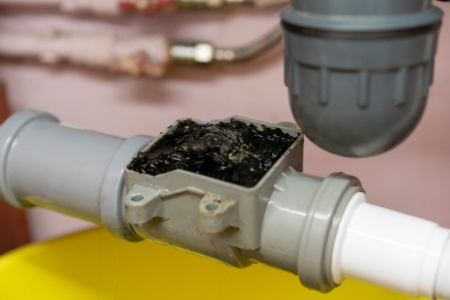
Unlike many food particles, coffee grounds do not break down in water. Instead, they settle inside pipework where they combine with grease, fats, soap residue and other debris to create stubborn blockages. Over time, these deposits continue to build up, restricting water flow and eventually causing slow drainage, unpleasant odours or complete drain failures.
Coffee grounds are particularly problematic because their gritty texture allows them to cling to grease and residue lining the inside of pipes. Think of them less like sand washing away in water and more like wet cement slowly hardening inside your drainage system.
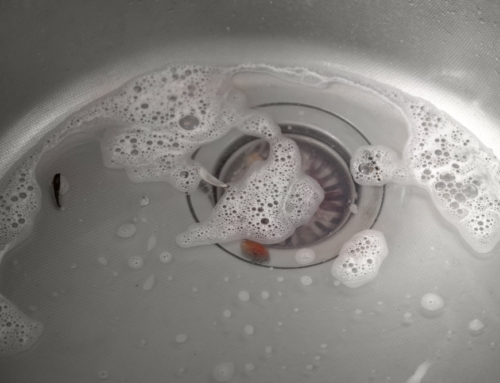
Grounds for concern: is your kitchen sink blocked?
Blocked kitchen sinks are one of the most common plumbing callouts. Many homeowners unknowingly contribute to the issue by disposing of coffee grounds, cooking fats and oils, food scraps, rice and pasta and flour-based products. Individually, these may seem harmless, but together they can create significant obstructions within internal pipework and external drains.
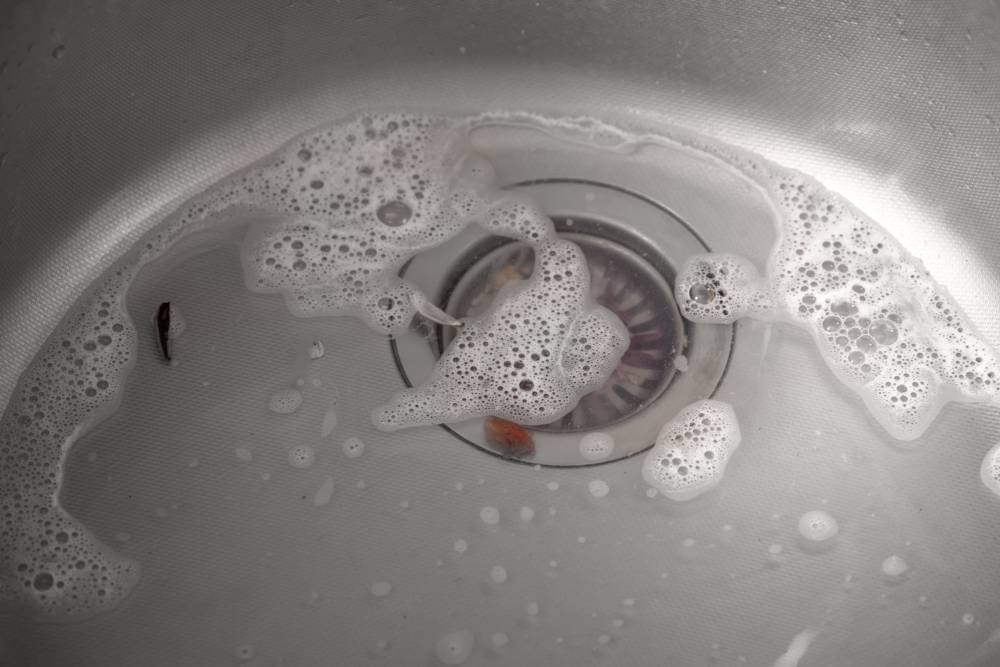
Signs that coffee grounds may be contributing to blocked drains at home include:
- Water draining slowly from the kitchen sink
- Gurgling noises coming from plugholes
- Unpleasant smells around the sink area
- Water backing up when appliances such as washing machines and dishwashers are used
Properties with older drainage systems, which are common throughout parts of London and Essex, can be particularly vulnerable as ageing pipework often contains rough surfaces where debris can accumulate more easily.
Ground to a halt: how coffee grounds can impact your business
For commercial premises, the consequences can be far more serious. Coffee shops, restaurants, offices, hotels and hospitality venues produce significant volumes of coffee waste every day. Even businesses that only provide coffee facilities for staff can unknowingly introduce large quantities of grounds into their drainage systems over time.
Commercial drain blockages and plumbing issues can result in:
- Business disruption
- Temporary closures
- Unpleasant odours affecting customers and staff
- Damage to internal fixtures and flooring
- Expensive emergency plumbing callouts
For businesses operating in busy areas across Essex and London, where offices, shops, restaurants and tourist attractions keep footfall high throughout the day, even a short period of downtime can have a significant financial impact.
Out of sight, out of mind: the hidden drain problem
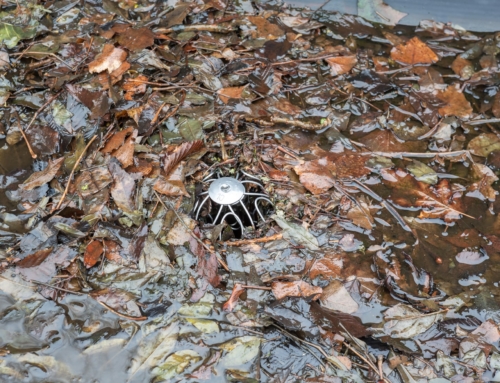
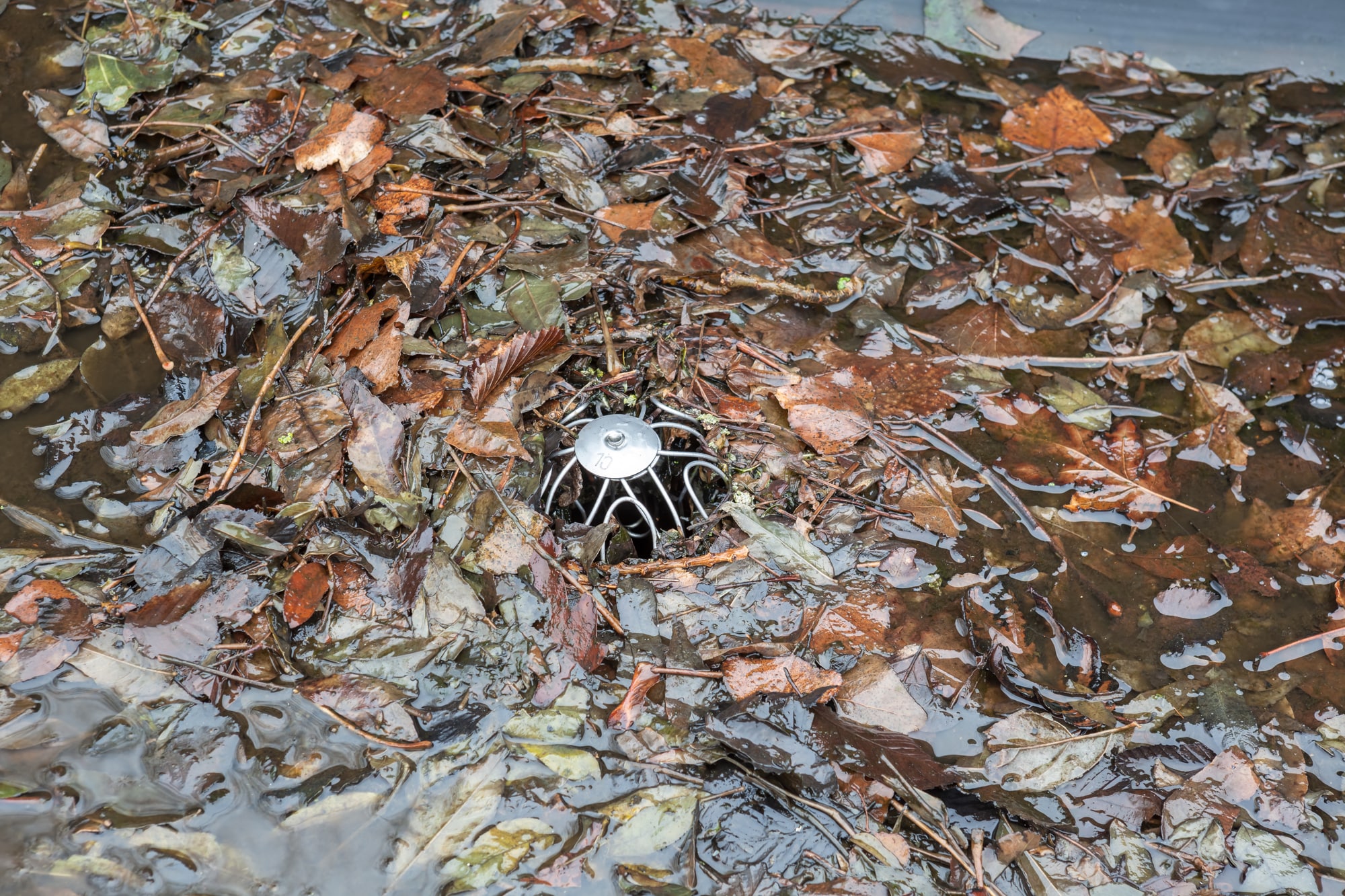
One of the reasons coffee-related blockages are often overlooked is that the problem rarely appears immediately. Coffee grounds can travel some distance through the drainage system before settling and building up over time. This means the blockage may occur in external drains, underground pipework or shared drainage systems rather than directly beneath the sink. By the time symptoms become noticeable, the issue may already require professional investigation. This is where CCTV drain surveys can prove invaluable.
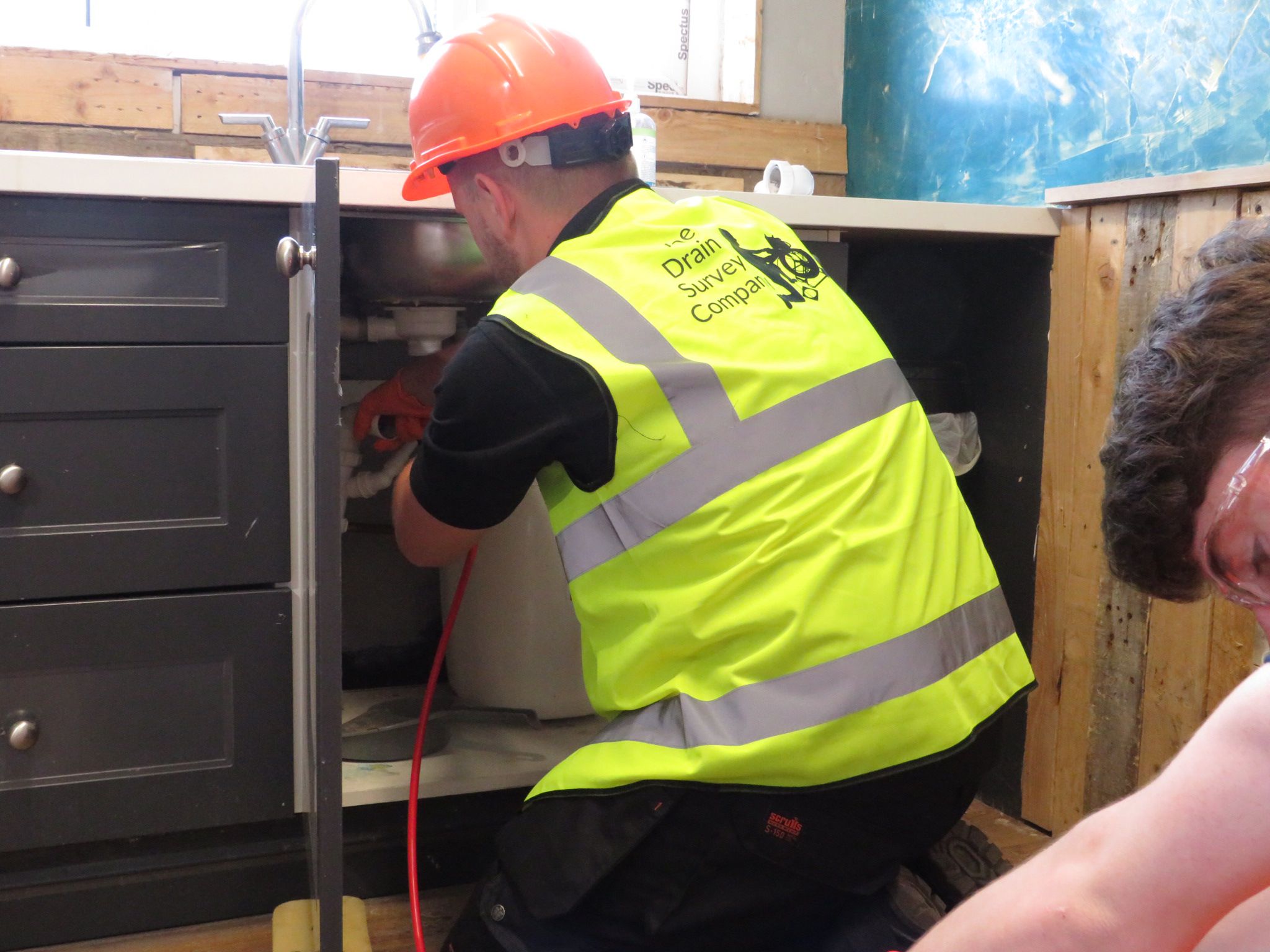
A drain survey allows specialists to inspect the condition of underground pipework, identify the location of blockages and determine whether recurring issues are being caused by accumulated coffee grounds, grease deposits or structural defects within the drainage system.
How to dispose of coffee grounds properly
The good news is that preventing coffee-related blockages is simple. Instead of washing grounds down the sink:
- Dispose of them in food waste bins where available
- Add them to compost heaps
- Use them in the garden – they make a great, natural fertiliser
- Dispose of them in general waste bins
For commercial premises, providing dedicated food waste containers near coffee preparation areas can significantly reduce the risk of drainage issues.
When should you book a CCTV drain survey?
If your property is experiencing repeated blockages, slow drainage or recurring odours, there may be a larger issue hidden within the drainage system. A professional survey can identify hidden issues before they become expensive emergencies.
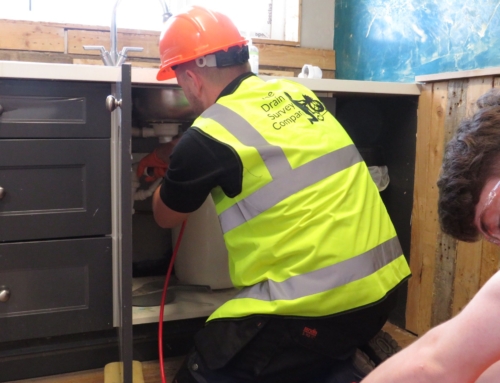
Professional drainage specialists can identify whether coffee grounds are contributing to the problem and recommend the most effective solution, whether that involves drain cleaning, high-pressure jet washing or a full CCTV drain survey.
When choosing a drainage specialist, experience and accreditation matter. With more than 30 years of expertise, membership of the National Association of Drainage Contractors (NADC) and WinCan-trained surveyors using industry-leading inspection software to produce detailed drain reports, The Drain Survey Company Ltd delivers accurate diagnostics and professional reporting for homeowners and businesses across Essex, London and the surrounding areas.
Call 020 4538 4399 to book a drain survey for your home or business.