
Are you looking for a pre-survey checklist for homeowners when booking a CCTV drain inspection? When scheduling drain surveys for your property, a little preparation goes a long way. Whether you’re investigating a suspect blockage, planning an extension or completing a pre-purchase inspection, making sure everything is ready helps the survey run smoothly and ensures accurate results.
Here are some of our best drain survey preparation tips.
How to check for existing drain issues
While routine drain maintenance is essential for any property, it’s always good to spot the signs of drain issues early so you can inform a professional. This means your drain surveyor can come more prepared to tackle the specific concern you have.
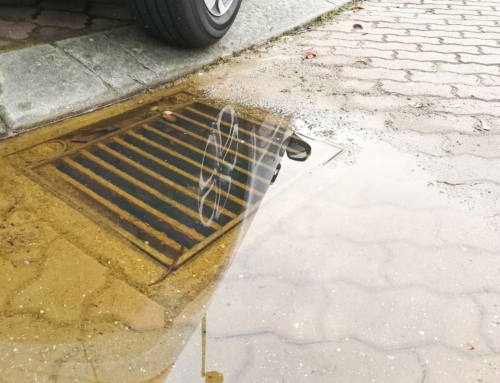
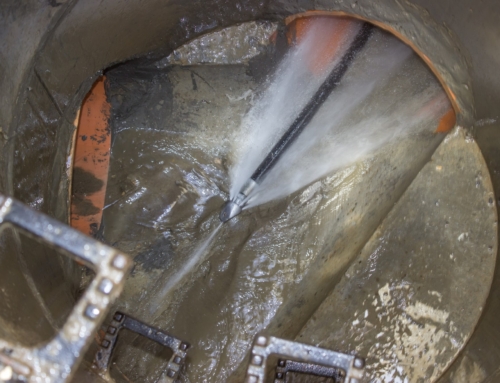
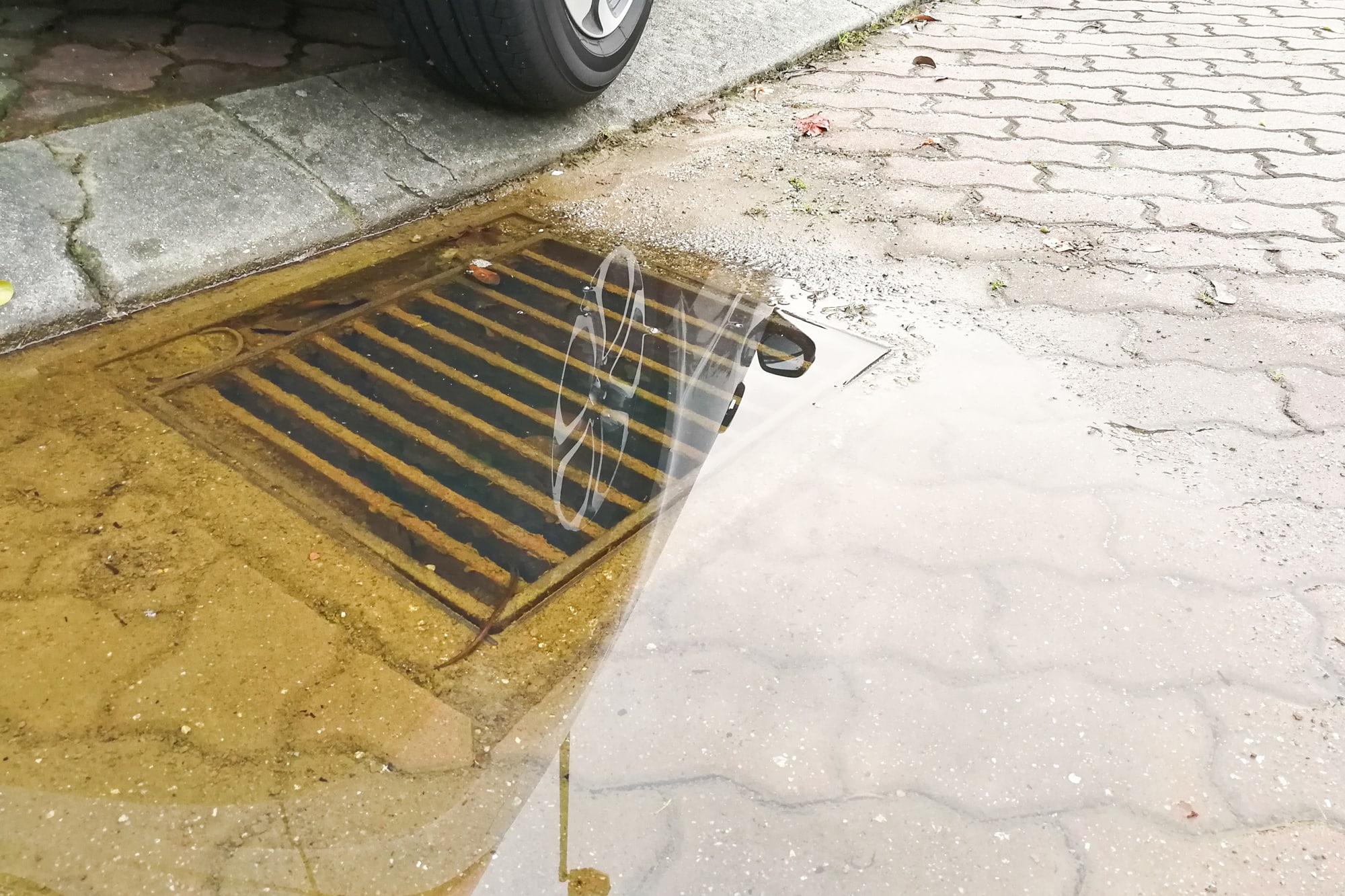
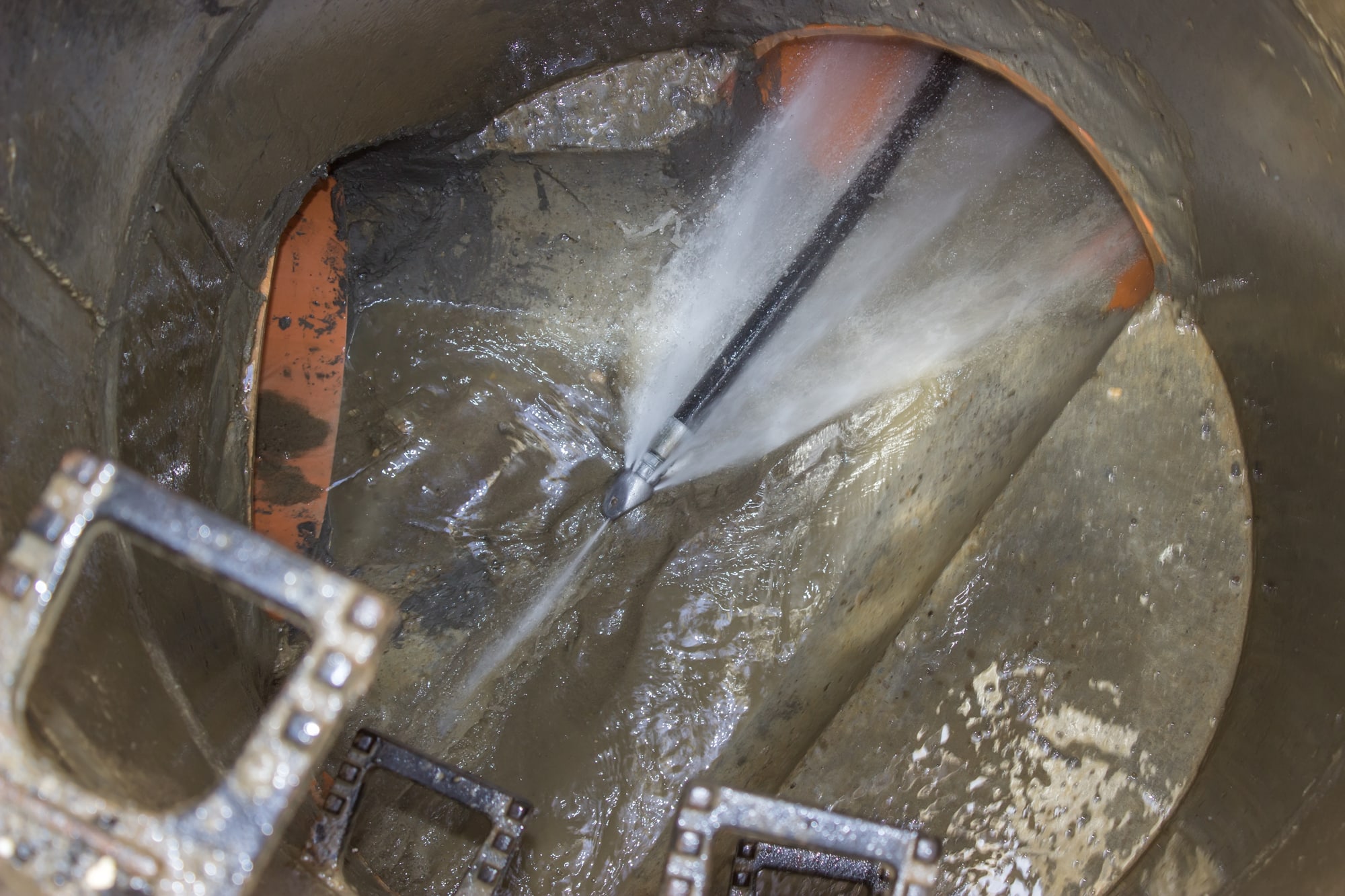
For example, signs your drains need jetting include slow-draining sinks and baths, unpleasant smells coming from plugholes, gurgling noises in drain pipes, water pooling around your drain or toilets that are slow to fill up. Noting when and where these issues occur helps the inspector identify whether the problem is localised or widespread.
Steps to avoid survey delays
To ensure your CCTV drain survey goes ahead without disruption, there’s information to provide your inspector with. This includes any known drain layouts, previous survey reports, recent building work (or landscaping), and shared drains or boundaries.
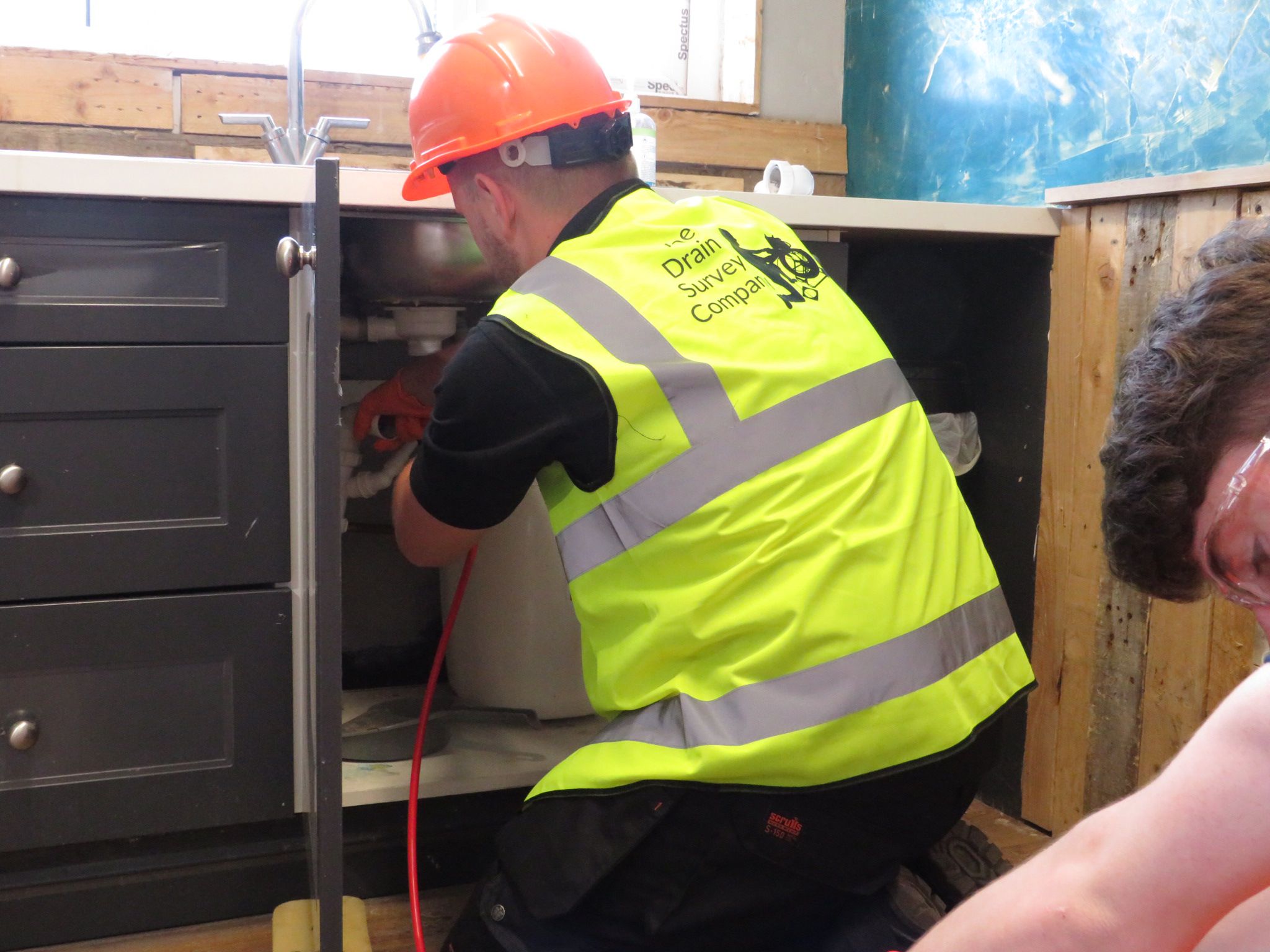
Highlight access restrictions before the visit so you can reduce issues on the day, such as finding keys for locked garden gates and securing pets indoors. You can also let inspectors know if there are difficulties with access or space, so they can bring appropriate equipment and plan their approach better.
Clear drain access points
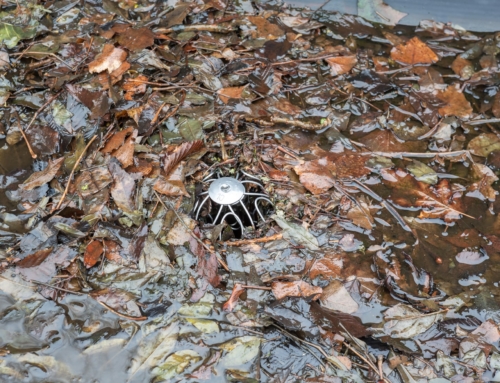
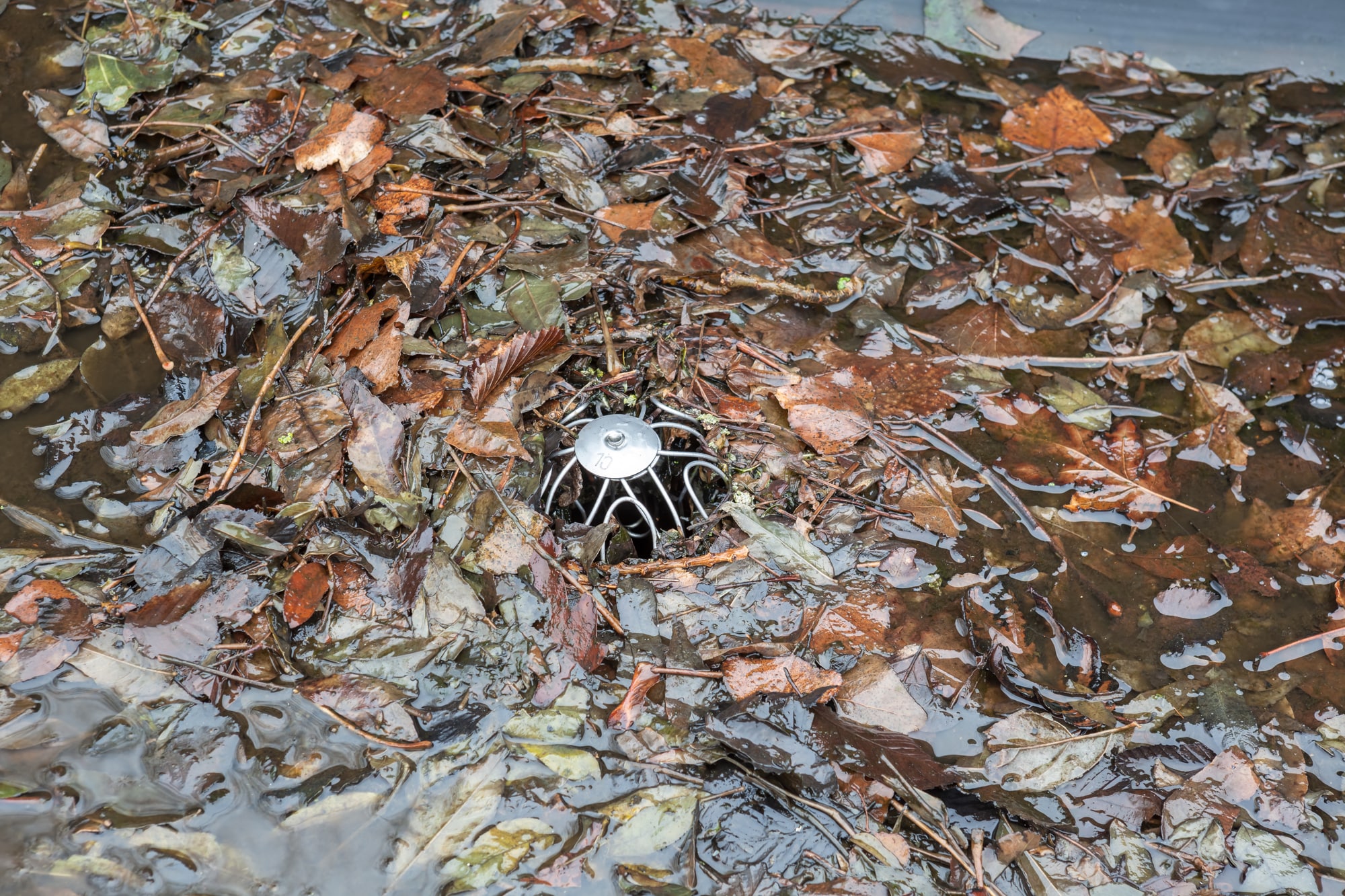
Clearing drain access points is one of the first things you should do to prepare for your drain survey. Ensure easy inspector access by removing obstructions for the survey, such as seating, plants, BBQs and visible debris (e.g., leaves on top of the drain cover). The inspector may need to move between several access points, so clear away vehicles, bins, garden furniture or clutter that could block routes or drain covers.
For an efficient survey, engineers need to reach manholes, inspection chambers, rodding points and external gullies. Ensure manhole covers are exposed and not buried under gravel, soil or decking. You should also trim back obstructive overgrown plants, shrubs or moss if possible.
Marking drain cover locations
If your property has multiple (or hidden) drain covers, it’s useful to mark them before the surveyor arrives. Chalk, flags or temporary tape are ideal. Even better, gathering property plans and maps of drains can be a lifesaver for your surveyor. It gives them a head start in understanding how your drainage connects to neighbouring systems or public sewers.
Notifying occupants about the survey
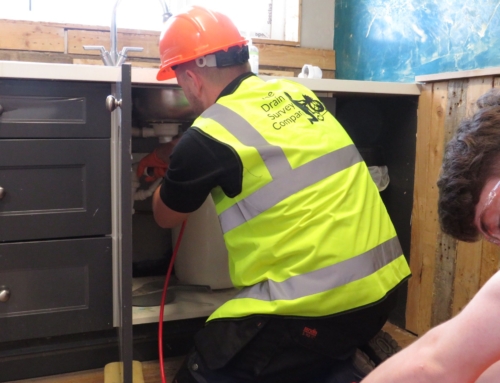
Need a landlord drain survey? If the survey is taking place at a home with occupants, tenants or staff, ensure everyone knows the date and time. Some parts of the drainage system may run under floors or through service cupboards, so the surveyor may need access inside as well as outside. Making people aware avoids interruptions and keeps the visit quick and efficient.
Schedule a new drain inspection in London and Essex – free quotes
The Drain Survey Company offers CCTV drain surveys in Hackney, Hampstead and beyond. For drain survey enquiries and quotes, contact us now.