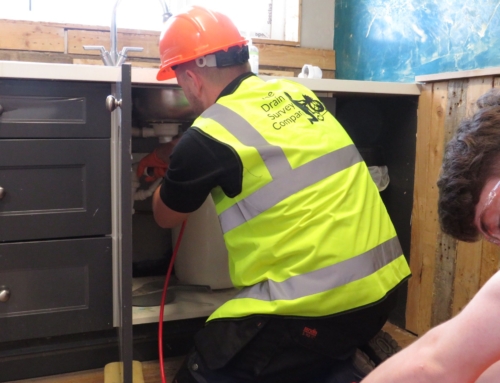

Professional CCTV drain surveys provide invaluable insight into the condition of your systems. However, the real value comes after inspection, when findings can be turned into practical solutions.
After preparing your property for a drain survey, it’s important to take the time to understand any post-survey recommendations. This can prevent costly damage, improve system performance and extend the lifespan of your drains.
What are the main post-survey action steps?
After inspection, you should review any drain survey follow-up actions recommended by your engineer. These typically cover repair recommendations after survey, cleaning requirements and monitoring advice.
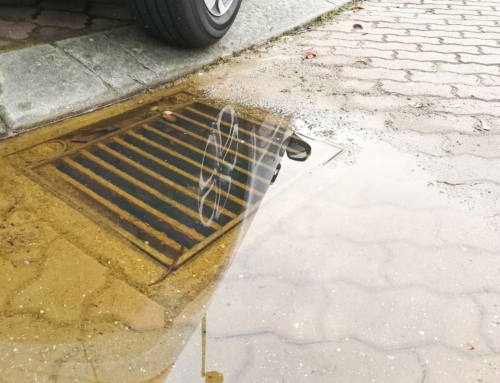
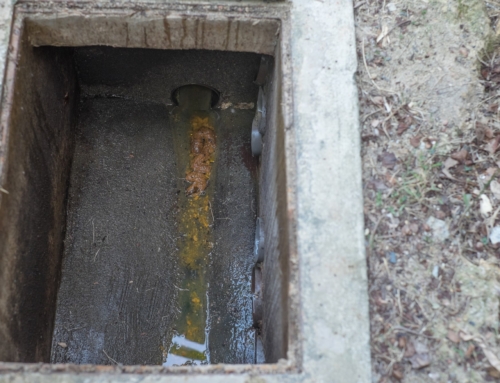
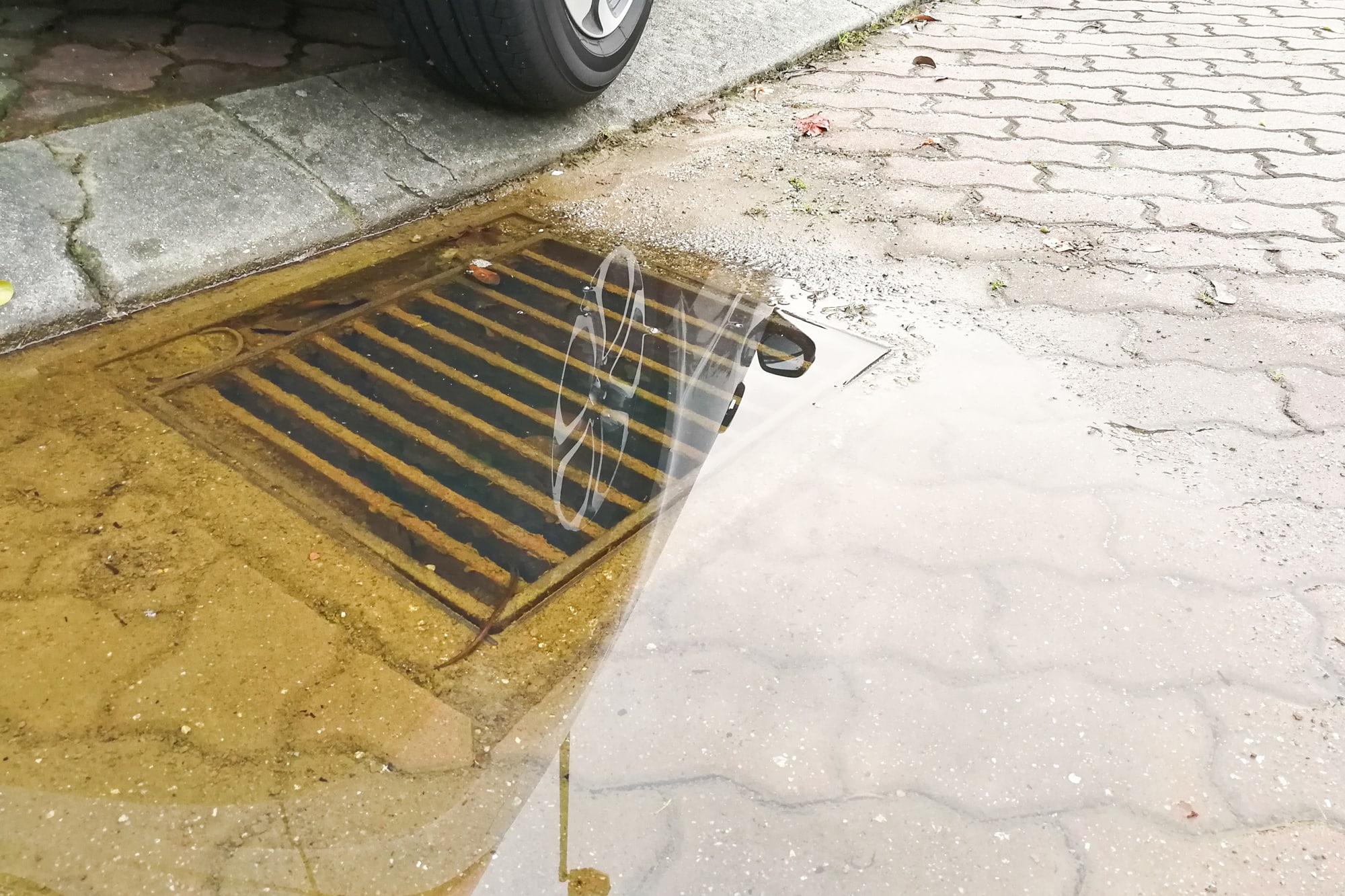
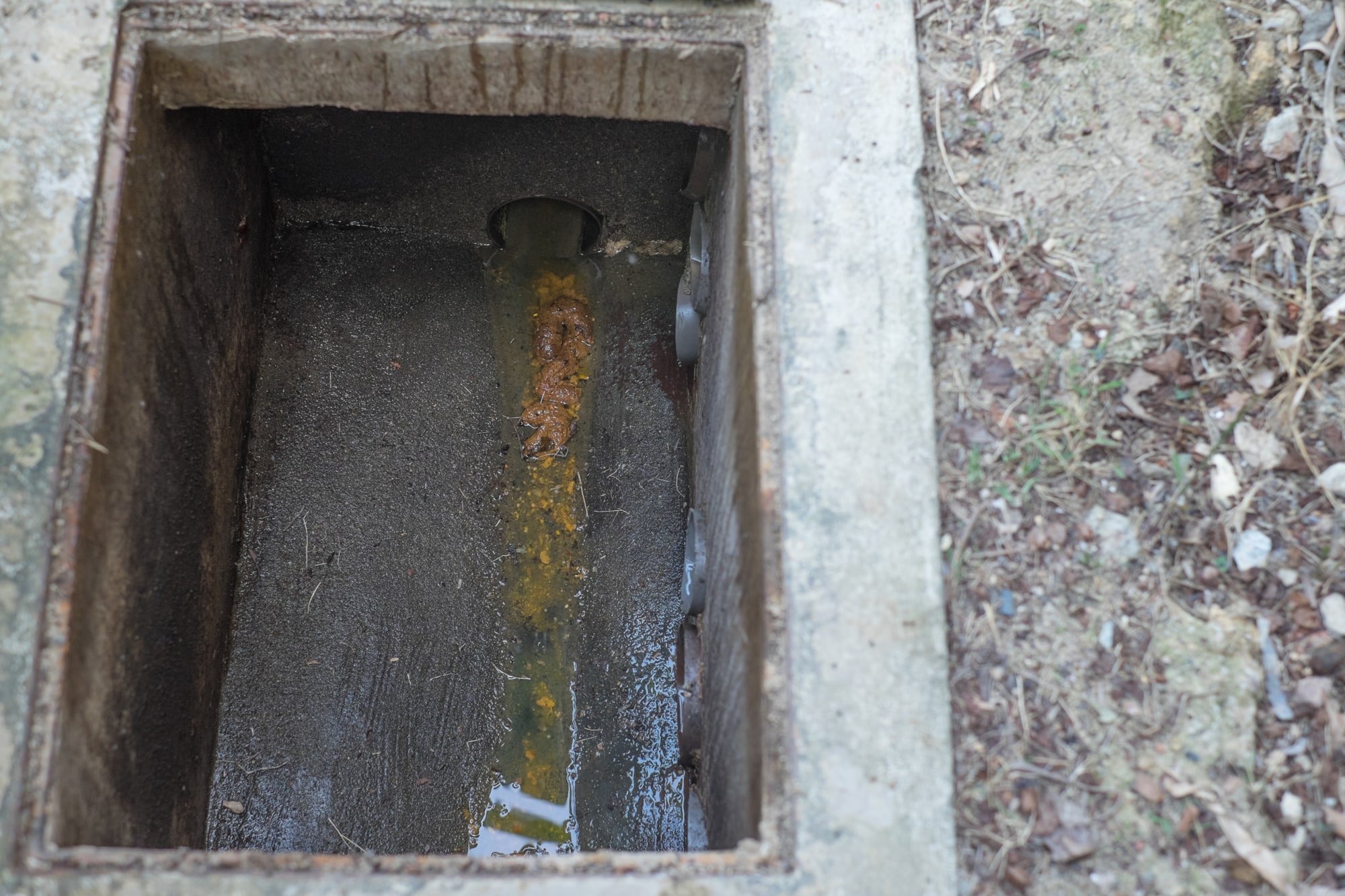
Findings can include cracked pipes, displaced joints, root ingress and fatty deposits. Another factor that’s often identified is the impact of vegetation on drain systems, with tree root ingress acting as a leading cause of damage. Surveys also identify drainage blockages caused by debris, scale build-up and structural faults.
Common drain issues resolution depends on you acting fast before problems get worse. Your report should give practical drain inspection advice, such as monitoring vulnerable areas or scheduling repeat surveys.
Best preventative measures for drains
Preventative care is usually more cost-effective than emergency repairs. Simple steps go a long way toward improving drainage system performance. This includes regular cleaning, vetting what goes down your drains, and installing root barriers where needed.
In some cases, minor drainage system enhancements such as lining pipes or better access points can prevent repeat problems. For properties dealing with recurring issues, planned maintenance schedules and periodic CCTV surveys are highly recommended to catch issues early.
Drain repair vs replacement
A common question after a survey is whether to repair or replace your drains. Modern methods allow for cost-effective drain repairs, such as patch or full drain lining to resolve localised damage without excavation.
However, there are times when upgrading drainage solutions or a full replacement is the smarter long-term choice. Knowing when to replace drains depends on factors like age, material and the extent of the damage. Clear signs of drain failure include repeated collapses, severe deformation and widespread cracking identified during the survey.
Drain cleaning strategies
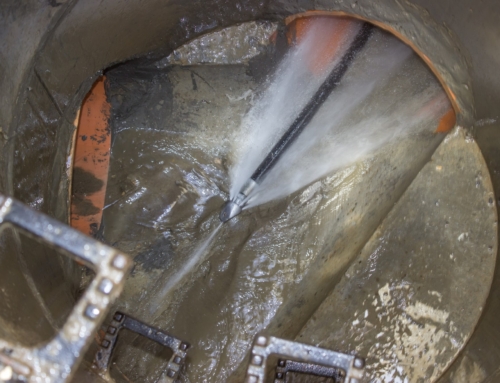
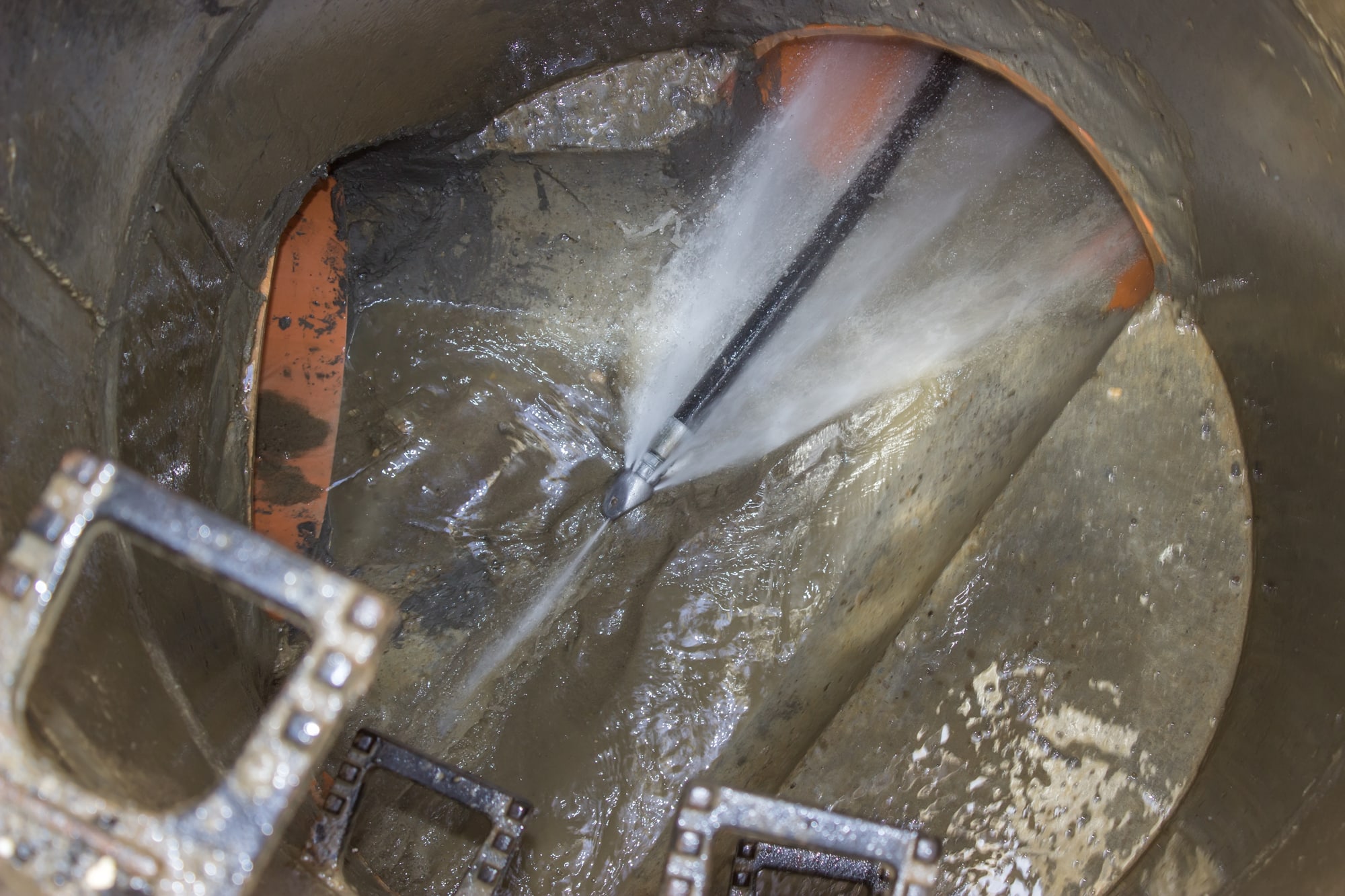
Cleaning is often the first and most effective response to survey findings. Professional jetting is the safest answer to how to clear drains, removing grease, roots, and debris without damaging pipes.
Regular cleaning reduces blockages and helps maintain optimal flow, especially in high-use systems.
Our top drain maintenance tips
For long-term drain care advice, consistency is the best tactic. Never flush wipes or grease down the drain, make sure you schedule routine inspections, and act quickly to resolve minor issues. These steps will minimise drainage issues over time.
Using essential tools for drain care, such as access rodding points and professional cleaning equipment, ensures maintenance is safe and effective. Combined with expert CCTV surveys, proactive maintenance keeps drainage systems reliable for years to come.
Book a new drain survey in London or Essex – free quotes
The Drain Survey Company is a leading CCTV drain surveyor near Highbury, Highgate and surrounding areas. For a free drain inspection quote, contact us.