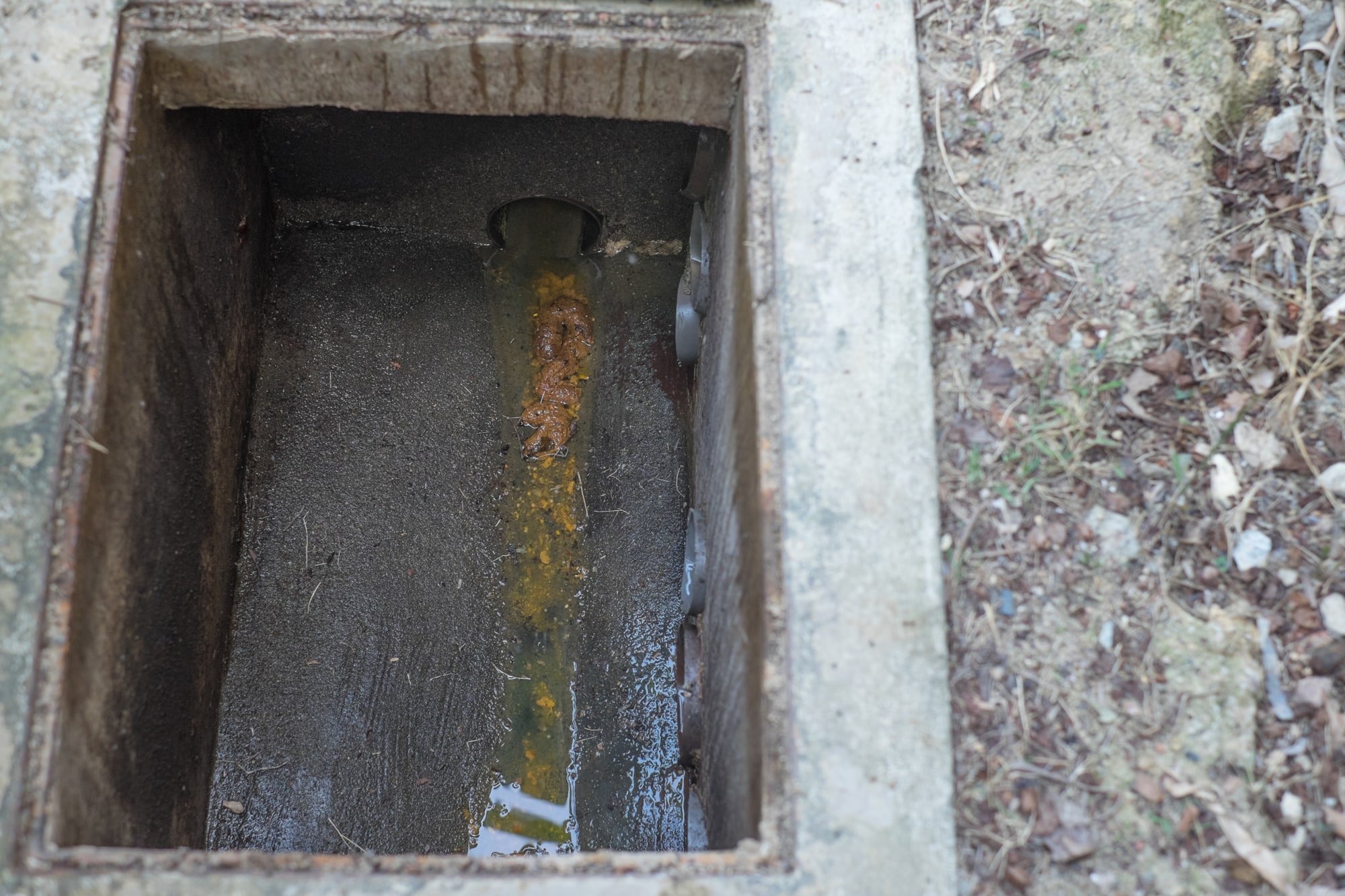
Want to perform good drain upkeep after jetting? Expert drain jetting is one of the most effective ways of dealing with drain blockages, removing debris and scale build-ups to restore your system to full flow. However, once your drains have been cleaned, it’s important to take steps to keep them that way. Proper drain maintenance prevents future issues and extends the lifespan of your pipework.
Read on for our best post-jetting maintenance tips.
What is drain jetting?
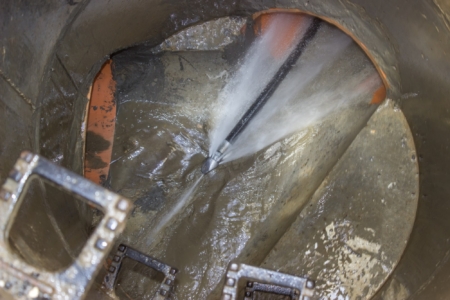
Drain jetting uses high-pressure water to blast through grease and debris clogging up your drainage system. It’s much faster than drain rodding, leaving pipes clean and free-flowing. Jetting is suitable for domestic, commercial and industrial drains, especially those suffering from recurring blockages or slow drainage, such as restaurant drains.
Read more in our blog on: Common issues treated by drain jetting
Jetting and drainage upkeep – how to maintain drains after jetting
Preventative drain maintenance post-jetting is the key to keeping the system running efficiently. Some basic drain care after jetting includes avoiding pouring fats and oils down sinks, as they can quickly solidify and cause fresh build-ups. You can also use strainers in plugholes to catch food scraps and hair before they reach the pipes.
Flush drains with hot water weekly to help keep lines clear, particularly in kitchen drains, but also be mindful of what you flush. Only toilet paper should go down the loo, not wipes or sanitary products.
What are the best drain maintenance techniques
One of the best drain cleaning tips after jetting is consistent, preventative maintenance. This includes special drain cleaners, using gentle, enzyme-based products to break down organic waste without damaging pipes. Ask your drain cleaning company what they’d recommend.
Scheduled professional cleaning stresses the importance of timely drain care. Having your drains cleaned once or twice a year can prevent the build-up of silt, scale and debris. Addressing minor cracks or displaced joints early also prevents major issues later.
Stay on top of concerns, like slow drainage or odours. These can indicate a developing problem that needs attention. Timely drain care helps prevent major blockages, structural damage and costly emergency call-outs.
Should you focus on preventative care for drains
Yes! Preventative care is far more cost-effective than dealing with blockages or collapsed pipes later on. Long-term drain care advice stresses regular monitoring, good usage habits and professional inspections.
Look out for warning signs of drain issues, such as slow drainage in sinks or showers, gurgling sounds or foul odours, and localised damp patches or recurring blockages. The seasonal impact of weather on drains should also be considered, with heavy rain, tree root intrusion and freezing temperatures causing damage if systems aren’t maintained.
Should you get a drain inspection after jetting?
Yes. CCTV drain inspections after jetting give clear insight of the pipe’s internal condition to check the system is free from damage or hidden defects. It’s also a great opportunity to assess the structural integrity of the drains after cleaning.
For the frequency of drain checks, we recommend surveys at least once a year, or more often if you have ongoing drainage issues, heavy usage or large outdoor systems exposed to roots and rainfall.
Maintaining clear drains after jetting in London and Essex – free quotes
The Drain Survey Company offers drain jetting and CCTV surveys in Edmonton, Fulham and beyond. For a free quote, contact our drain surveyors.